


EKOM is an AI-powered ecommerce optimization platform that helps brands improve product visibility and performance through automated SEO insights.
As consumer trends shift, EKOM enables ecommerce teams to update titles, tags, and product data automatically to align with what is popular, without manually editing individual product pages.
As adoption grew, customers increasingly relied on EKOM’s internal team to interpret data, configure accounts, and validate actions, creating a growing support bottleneck.
EKOM was delivering real value through its AI-powered SEO and optimization insights, but that value required constant hands-on support from the internal team.
As adoption grew, this created a bottleneck:
It was removing the internal team from the critical path without sacrificing clarity or trust.
EKOM
Ecommerce SaaS
MVP
Wireframes, UI design, Prototyping, Development Documentation
EKOM needed users to configure, explore, and understand their data independently, without emailing support for confirmation or guidance.
The product had been designed by non-UX/product designers, and as it matured, usability and clarity began to suffer, creating growing friction for users and accumulating product debt that needed to be addressed.
Fragmented UI patterns and visual inconsistencies made the product feel less professional than the level the company was aiming to represent.
Buyer trends shift constantly and it's important for ecommerce brands to leverage popular search terms in order for buyers to discover their products. For brands with several products, especially hundreds or even thousands, it's extremely difficult to keep up with the everchanging demands to update product descriptions, metadata, and search keywords. How can we let them update them easily, while maintaining brand voice?
The problem
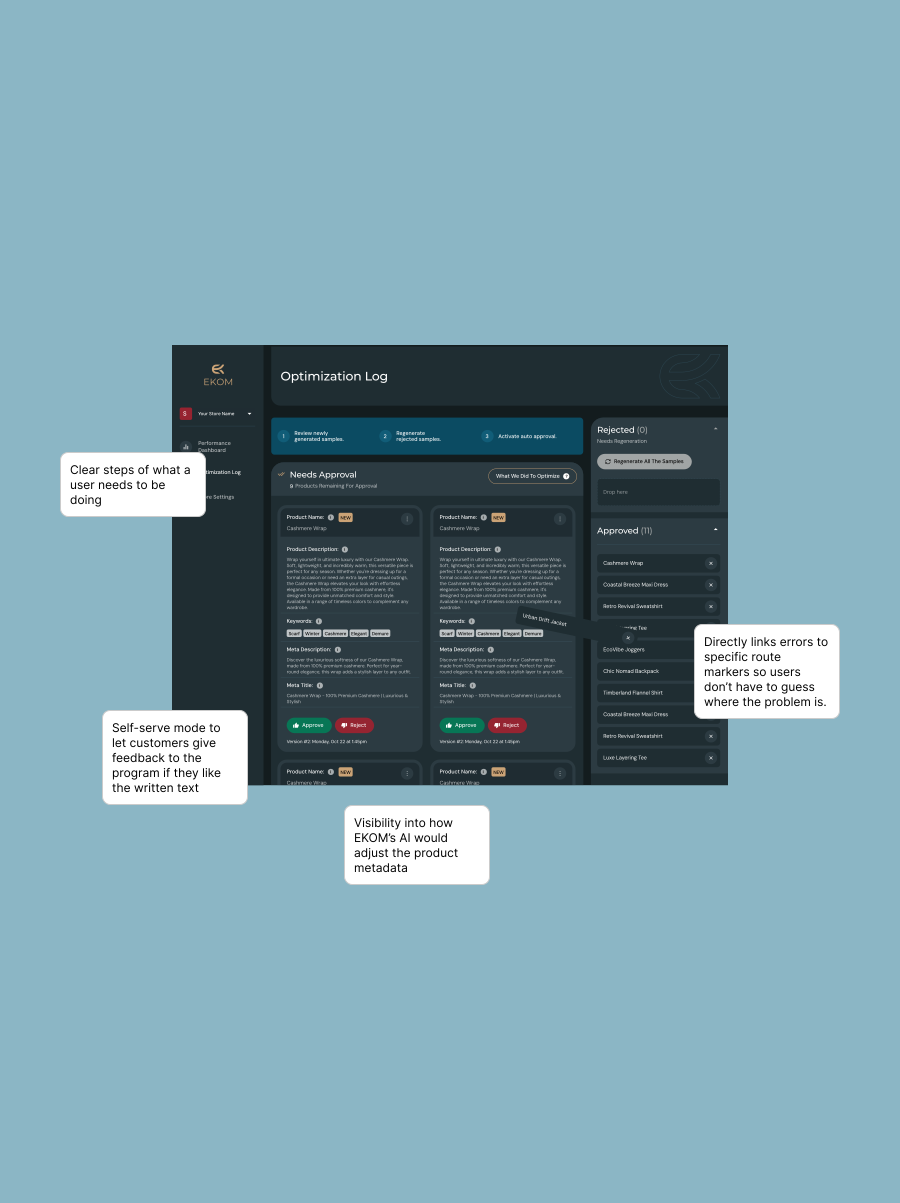
Every company has nuanced brand rules and often a catalog with hundreds, sometimes thousands of products, and it is hard for the model to customize product descriptions while getting set up.
What we did
Create a self-serve experience to let stores batch approve and give feedback to the product descriptions that were generated. The easy "Approve" and "Reject" allows the client to review many samples in order to train the AI model.
Why it mattered
Accuracy and feedback for the AI model is crucial for companies to feel confidant in EKOM's work with their products. Transparency is needed to know that the model is learning and generating content that is on-brand and useful.
The problem
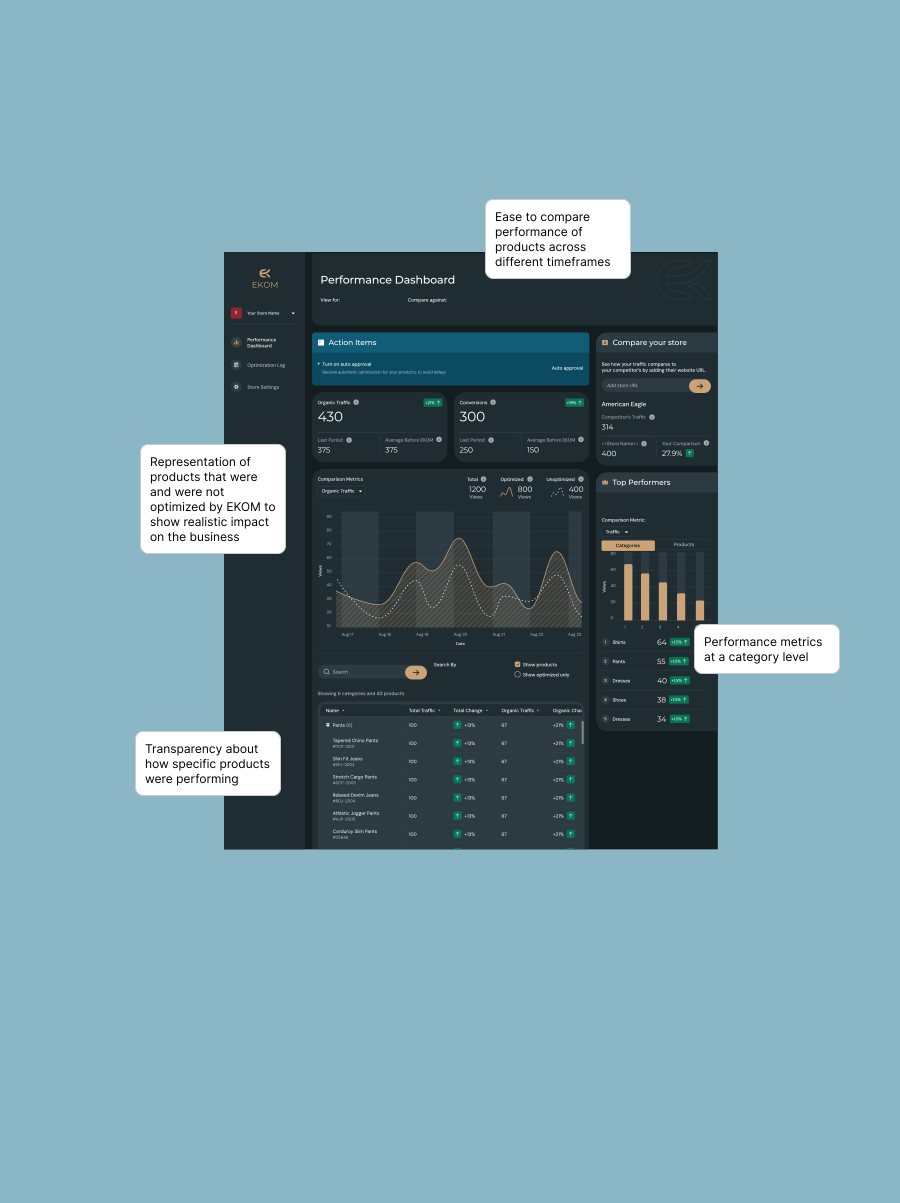
It was difficult for customers to access or make sense of how their products were performing, and seeing if EKOM was actually improving their product visibility. Reps from EKOM had to hop on calls and emails to give regular updates to their customers. Without visibility, EKOM was losing trust and transparency for their impact.
What we did
Give full visibility to customers in a self-serve experience so they could see how different categories and individual products were performing.
Why it mattered
Independence, ease, and accessibility to data is important to give customer's confidence and visibility that their products were being improved by working with EKOM.
The problem
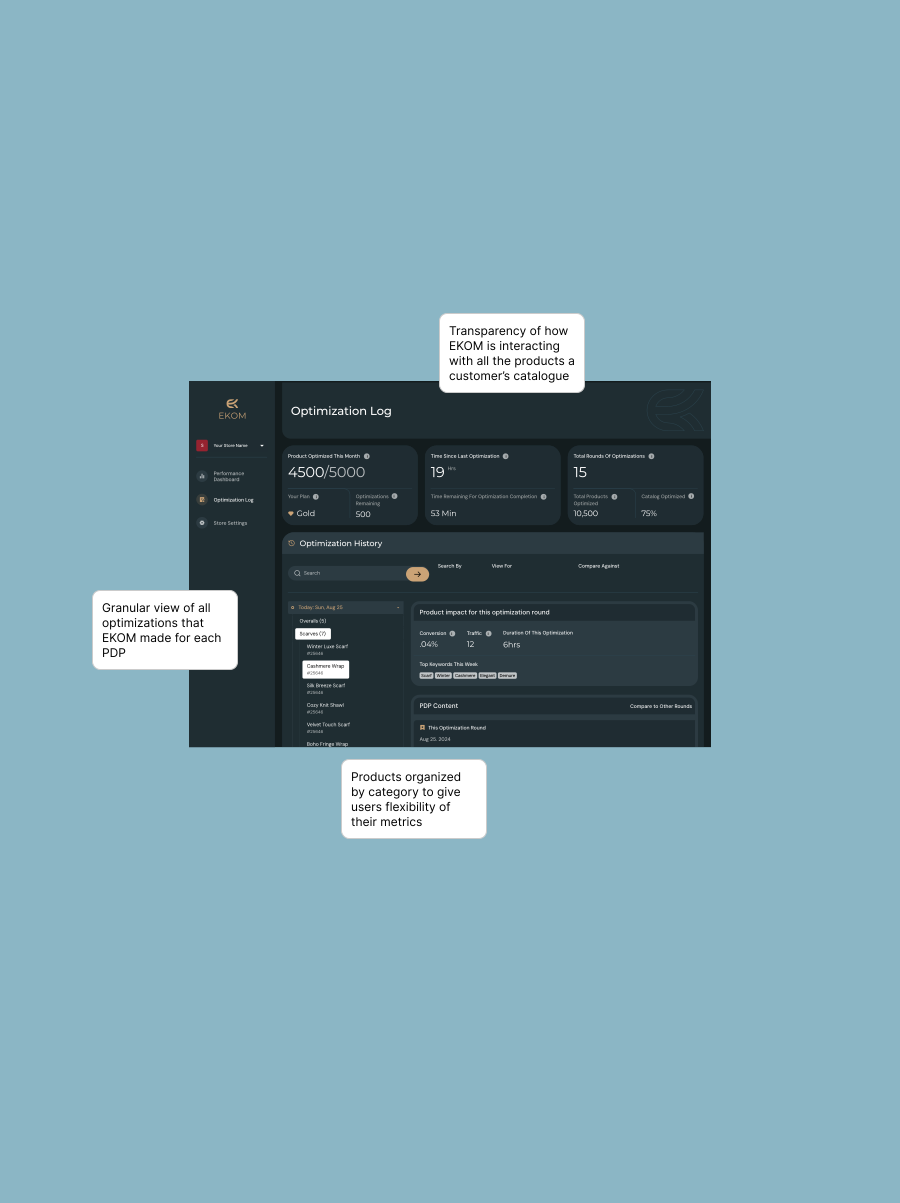
Lack of visibility of what EKOM was impacting or not. Customers didn't know which products were being affected, leading to hestiations and distrust.
What we did
Give full visibility to customers in a self-serve experience so they could see how which specific products and categories EKOM was optimizing.
Why it mattered
Building trust and transparency for clients.
The problem
Nuance and complex billing options designed to give customers flexibility to buy only what they needed, resulted in confusion for customers to understand what they are buying.
What we did
Broke down each part of the package into it's own section so it was digestable and could follow patterns from traditional billing UI.
Why it mattered
Giving transparency to customers about their packages